

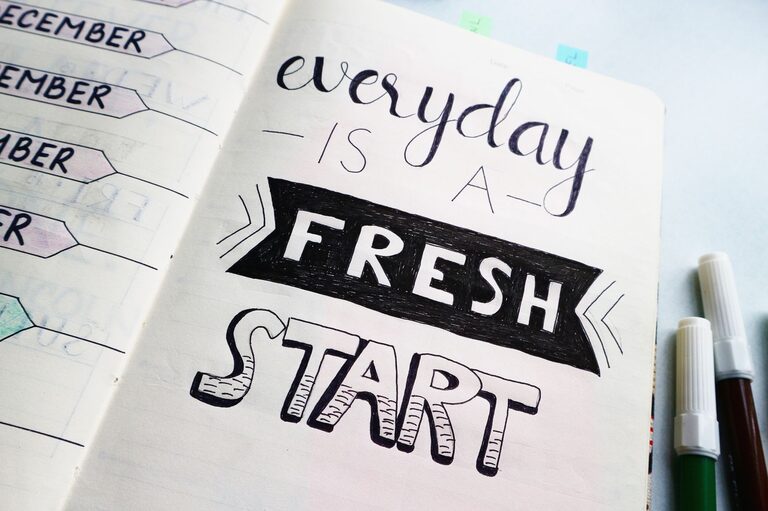
Creativity isn’t just for artists or writers—it’s a valuable skill that everyone can nurture and benefit from. Whether you want to solve problems more effectively, add joy to your daily routine, or simply explore new ways of thinking, practicing creativity regularly can help. The good news? You don’t need special tools or lots of time to get started. Here are some simple ways to make creativity a part of your everyday life.
Why Practice Creativity Every Day?
Creativity helps you view challenges differently, find innovative solutions, and express yourself in unique ways. Practicing creativity daily can improve mental wellbeing by reducing stress and boosting confidence. Plus, it encourages curiosity and lifelong learning.
Building creative habits is like working out a muscle: the more you engage it, the stronger it becomes.
Start Small: Simple Habits to Boost Creativity
1. Keep a Creativity Journal
Set aside a few minutes each day to jot down ideas, observations, or sketches. Your journal can be a place to capture sparks of inspiration, random thoughts, or things you find interesting. Writing regularly encourages your brain to form new connections and enhances your ability to generate ideas.
Tips:
– Don’t worry about perfection; just write or draw freely.
– Try prompts like “What inspired me today?” or “A new idea I had.”
2. Try a Daily Doodle or Sketch
You don’t have to be an artist to benefit from doodling. Drawing simple shapes, patterns, or objects can help unlock your imagination and improve focus. Even five minutes of doodling can refresh your mind and spark creativity.
3. Change Your Environment
Sometimes a shift in scenery can inspire new thoughts. Try working in a different room, visiting a park, or rearranging your workspace. New environments stimulate your senses and encourage fresh perspectives.
4. Ask “What If” Questions
Challenge yourself to think differently by asking open-ended questions. For example:
– What if I approached this task backwards?
– What if I combined two unrelated ideas?
This habit helps break routine thought patterns and opens the door to creative thinking.
Incorporate Creativity into Everyday Activities
5. Cook Something New
Experimenting with recipes encourages creativity by mixing flavours and techniques. Even simple changes like adding a new spice or trying a different cooking method can be a creative exercise.
6. Use Your Non-Dominant Hand
Try writing, brushing your teeth, or drawing with your non-dominant hand. This practice can boost brain activity by challenging your usual habits and making you more conscious of your actions.
7. Take Short Walks Mindfully
Walking can clear your mind and improve cognitive function. Use walks to observe surroundings, notice details, or brainstorm ideas. Being mindful during walks sharpens your senses and encourages creative insights.
Engage with Creative Communities
8. Share Your Ideas and Work
Sharing your creative efforts, even small ones, can motivate you and invite feedback. Join local groups, online forums, or social media communities focused on your interests like writing, photography, or crafting.
9. Collaborate with Others
Working with others exposes you to different viewpoints and techniques. Try brainstorming sessions, group projects, or casual creative meet-ups. Collaboration often leads to unexpected and exciting ideas.
Use Technology to Your Advantage
10. Explore Creative Apps
There are many user-friendly apps designed to spark creativity—writing prompts, digital sketchpads, music creation tools, or mind mapping software. Experimenting with these can provide new ways to express yourself.
11. Set Reminders for Creative Breaks
Use your phone or calendar to set short reminders throughout the day to pause and engage in a creative activity, even if just for a minute. Consistency helps build the habit.
Overcome Common Barriers to Creativity
12. Embrace Mistakes and Imperfection
Fear of failure can block creativity. Remember, mistakes are part of the creative process. View them as learning opportunities and allow yourself to experiment without judgment.
13. Limit Multitasking
Focusing on one creative task at a time can improve the quality of your ideas. Multitasking often divides attention, making it harder to enter a creative flow.
14. Practice Patience
Creativity sometimes takes time to develop. If an idea doesn’t come immediately, be patient and return to it later with a fresh mind.
Final Thoughts
Incorporating creativity into your daily routine doesn’t require grand gestures or special talents. By trying these simple habits and approaches, you can nurture your creative side, leading to more fulfilling and innovative experiences in all areas of life. Remember, creativity is a skill that grows with practice—start small, be consistent, and enjoy the journey!