

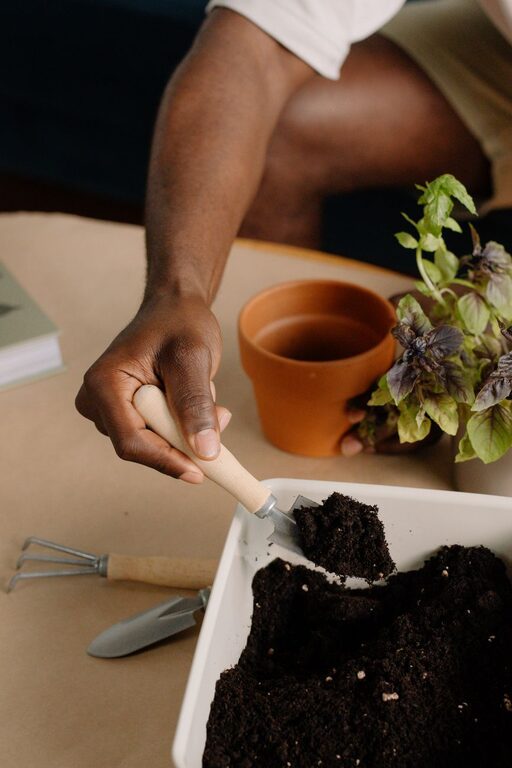
Starting an indoor herb garden is a wonderful way to enjoy fresh, aromatic herbs year-round, even without a large outdoor space. Whether you’re a seasoned gardener or a beginner, growing herbs inside your home can enhance your cooking, improve air quality, and add a touch of greenery to your living space. In this guide, we’ll walk you through everything you need to know to start your own small herb garden indoors.
Why Grow Herbs Indoors?
Indoor herb gardens offer many benefits. You don’t need a yard or a lot of space, and you can have fresh herbs at your fingertips for cooking or making teas. Herbs like basil, mint, and parsley are easy to grow and maintain indoors. Plus, caring for plants can be a relaxing and rewarding hobby.
Choosing the Right Herbs for Indoor Growing
Some herbs thrive better indoors than others. Here are a few popular options to consider:
– Basil: Requires bright light and warm temperatures.
– Mint: Grows well in indirect light and can tolerate some shade.
– Parsley: Prefers moderate light and consistent moisture.
– Chives: Easy to grow with moderate sunlight.
– Thyme: Needs plenty of sunlight and well-drained soil.
– Cilantro: Grows best in cooler conditions with bright, indirect light.
What You’ll Need to Start
Before planting, gather these basic supplies:
– Containers: Pots with drainage holes to prevent waterlogging.
– Potting mix: Use a well-draining potting soil designed for indoor plants.
– Seeds or seedlings: Choose high-quality herb seeds or young plants.
– Light source: Place near a sunny window or use grow lights if natural light is limited.
– Watering can: For gentle, controlled watering.
– Labels: To keep track of your herbs.
Step-by-Step Guide to Planting Your Indoor Herb Garden
Step 1: Select Your Containers
Choose pots or containers that fit your available space and have drainage holes. Small terracotta pots or repurposed containers like mason jars can work well, as long as they allow excess water to drain.
Step 2: Prepare the Soil
Fill your containers with potting mix, leaving about an inch of space at the top. Avoid using garden soil, which can be too heavy and may contain pests.
Step 3: Plant Seeds or Seedlings
– For seeds: Follow packet instructions for planting depth and spacing.
– For seedlings: Gently loosen roots and place them in the soil. Cover with soil and press lightly.
Water the soil gently after planting to settle it around the seeds or roots.
Step 4: Find the Right Spot
Most herbs need 6 to 8 hours of sunlight daily. A south-facing window is ideal. If your space lacks natural light, consider investing in a grow light to provide the necessary light spectrum.
Step 5: Water Properly
Keep the soil moist but not soggy. Overwatering can cause root rot. Check soil moisture by sticking your finger about an inch into the soil—if it feels dry, it’s time to water.
Step 6: Maintain Your Herb Garden
– Fertilize: Use a balanced, water-soluble fertilizer every few weeks to support growth.
– Prune regularly: Trim herbs to encourage bushier growth and prevent flowering, which can affect flavour.
– Watch for pests: Check leaves for signs of insects and treat with natural remedies if needed.
Tips for Success
– Rotate your pots regularly so all sides get sunlight.
– Use a spray bottle to mist herbs like basil and parsley if your home is dry.
– Harvest herbs in the morning for the best flavour.
– Start with a few easy-to-grow herbs and expand your garden as you gain confidence.
Troubleshooting Common Issues
– Yellowing leaves: Could indicate overwatering or poor drainage.
– Leggy growth: Usually caused by insufficient light; move plants closer to a light source.
– Wilting: Check watering habits and soil moisture.
Enjoying Your Indoor Herb Garden
Once your herbs start thriving, use them fresh in your meals, make fragrant herbal teas, or even create homemade skincare products. Growing herbs indoors not only improves your cooking but also adds a calming, green touch to your home.
Starting a small herb garden indoors is a fulfilling project with many perks. With a little attention and care, you can enjoy fresh herbs throughout the year no matter where you live. Happy gardening!