

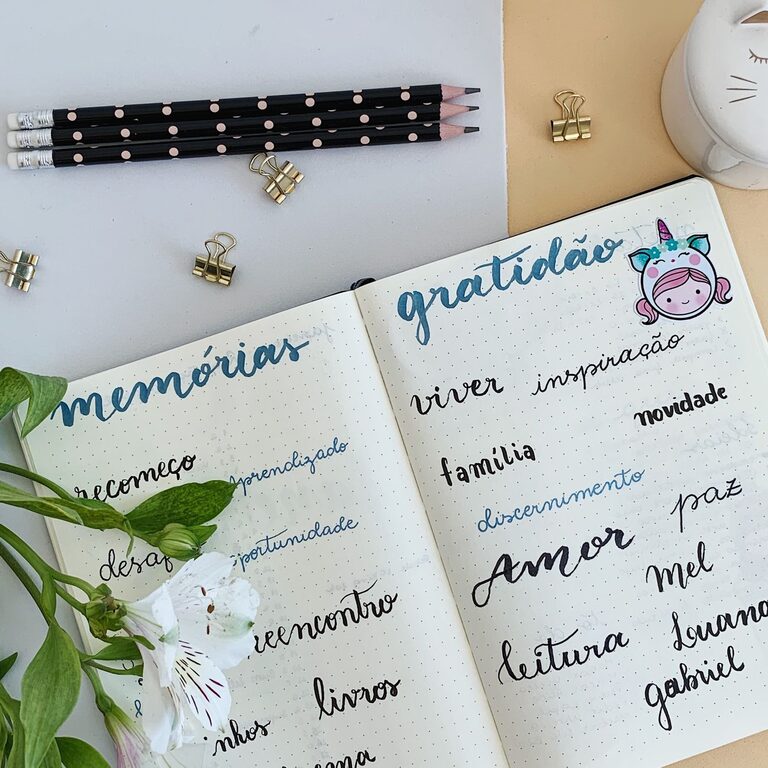
Keeping a gratitude journal is a simple yet powerful way to boost your happiness and overall well-being. By regularly taking time to reflect on the things you’re thankful for, you can shift your focus towards the positive aspects of life. If you’re new to this practice, starting a gratitude journal might seem intimidating, but it’s actually quite straightforward.
In this post, we’ll walk you through the basics of how to start a gratitude journal, plus tips to make it a meaningful and lasting habit.
What is a Gratitude Journal?
A gratitude journal is a dedicated notebook or digital space where you record things you feel grateful for. The idea is to focus on the good moments, big or small, and create a positive mental habit. This practice has been linked to improved mood, reduced stress, and greater life satisfaction.
Why Keep a Gratitude Journal?
– Cultivates positivity: Regularly acknowledging what you appreciate helps you notice the good in everyday life.
– Enhances mindfulness: Writing about gratitude encourages you to slow down and be present.
– Boosts mental health: Studies suggest gratitude journaling can reduce anxiety and depression.
– Improves relationships: Recognizing others’ kindness fosters stronger connections.
How to Start Your Gratitude Journal
1. Choose Your Journal Format
Decide whether you prefer a physical notebook or a digital journal. Some popular options include:
– A simple lined or blank notebook
– A planner with dedicated gratitude sections
– Smartphone apps designed for journaling
– Word processing documents or notes apps
Pick what feels easiest and most enjoyable for you to access regularly.
2. Set a Routine
Consistency is key. Choose a time each day to write in your journal, such as:
– First thing in the morning
– Before bedtime
– During a lunch break
Starting with just 5 minutes per entry can make the habit manageable.
3. Write Specific Entries
Instead of vague statements like “I’m grateful for my family,” try to be more specific, for example:
– “I’m grateful for the funny conversation I had with my sister today.”
– “I appreciate the warm cup of tea that helped me relax this morning.”
Specificity makes your gratitude more meaningful and easier to recall.
4. Use Prompts if You’re Unsure What to Write
If you find yourself stuck, prompts can help spark your thoughts. Some ideas include:
– Name three things that made you smile today.
– What’s a challenge you overcame recently?
– Who is someone you’re thankful for and why?
– Describe a place that brings you peace.
5. Keep It Positive, But Be Authentic
Gratitude journaling is about recognising good things, but it’s okay to acknowledge challenges too. Try to find a silver lining or lesson in difficult experiences to maintain authenticity.
6. Review Your Journal Regularly
Every few weeks, take time to read past entries. This reflection can reinforce positive feelings and remind you of progress or meaningful moments.
Tips for Maintaining Your Gratitude Journal
– Make it your own: Decorate your journal or use coloured pens to make writing more enjoyable.
– Don’t pressure yourself: Missing a day or two is normal. Just return when you can.
– Combine with other habits: Pair journaling with meditation or a cup of tea for a calming ritual.
– Share if you want: Some people find it helpful to share gratitude entries with friends or family.
Tools and Resources
– Apps like Day One, Journey, or Gratitude Journal offer easy digital options.
– Printable gratitude journal pages available online can guide your entries.
– Books on gratitude can provide inspiration and deeper understanding.
Final Thoughts
Starting a gratitude journal is a simple yet effective way to nurture a positive mindset and appreciate life’s blessings. By committing just a few minutes each day to this practice, you can create a lasting habit that supports your mental and emotional well-being.
Give it a try—grab a notebook and start writing down what you’re thankful for today. You might be surprised at how much it brightens your outlook on life.